
Budget 2027: CARSOME Says Malaysia’s Automotive Ambitions Must Deliver Value Beyond Industrial Growth
By Aaron Kee, CARSOME Group Chief Business Officer
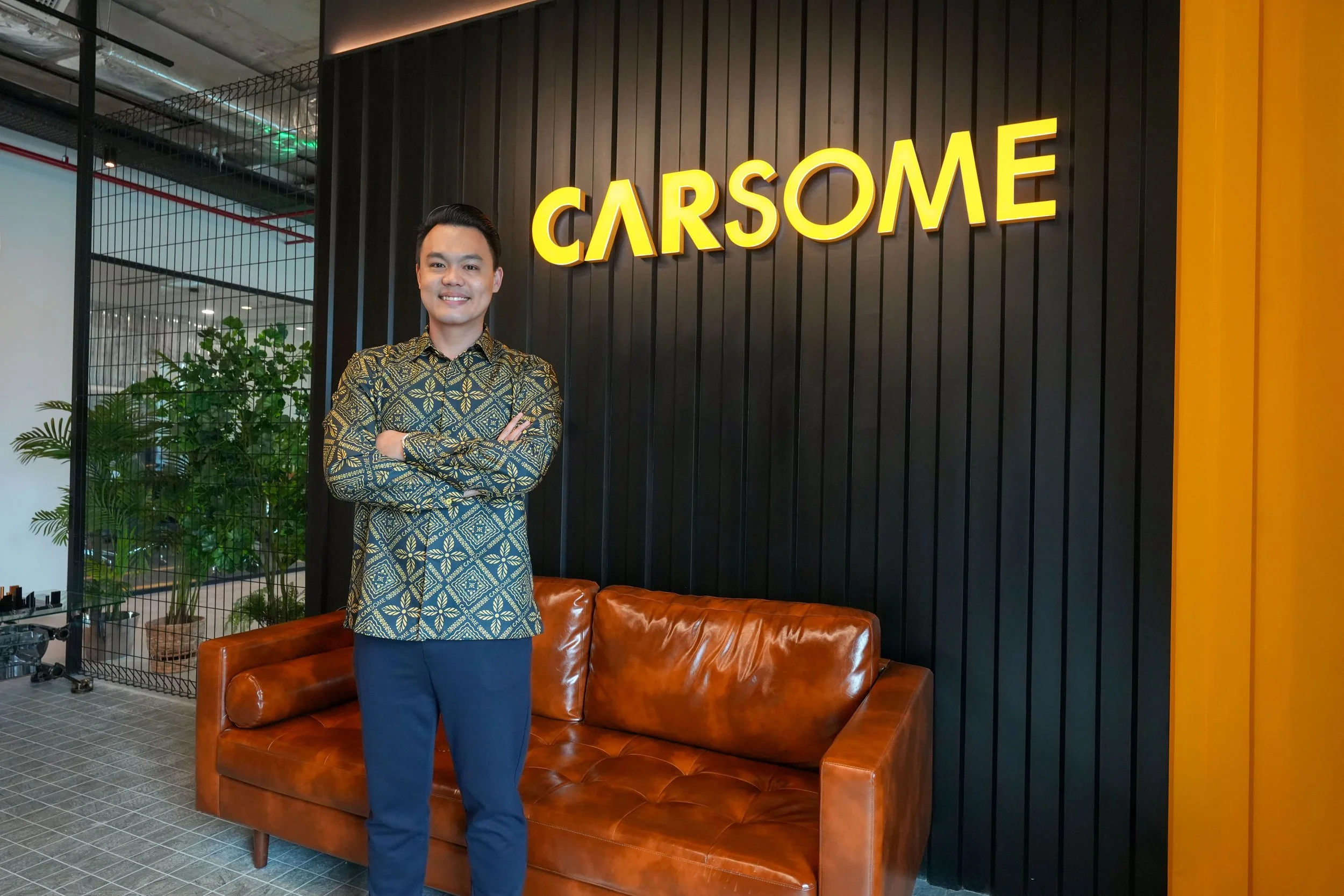
CARSOME welcomes Budget 2027 and its commitment to raising incomes and strengthening Malaysia's automotive industry. The real test will be how effectively these measures build competitive businesses, develop talent and make mobility more accessible to Malaysians.
Budget 2027’s focus on industrial development, including the Automotive Hi-Tech Valley in Tanjong Malim, reflects the country’s continued ambition to strengthen its automotive capabilities. While industrial investment is an important part of this journey, a competitive automotive industry also needs businesses that can grow sustainably, consumers who can afford the mobility they need, and a skilled workforce ready for the industry’s next phase of development.
CARSOME sees three priorities that will be critical to turning these ambitions into meaningful, long-term progress:
1. Wage growth must be matched by productivity
Budget 2027’s increase in the minimum wage from RM1,700 to RM2,000, alongside the RM2,500 minimum for semi-skilled and graduate roles, puts workforce costs and productivity firmly on the business agenda.
Better wages matter, but their long-term impact depends on whether businesses can sustain them while remaining competitive. In the automotive industry, skilled technicians, inspectors and other specialised talent are essential to service quality, operational efficiency and consumer confidence. This makes continued investment in the skills, systems and productivity needed to create greater value increasingly important as businesses adapt to higher payroll costs.
This is where industry-relevant training and technical and vocational education and training (TVET) can play an important role. Aligning training with actual industry needs can help businesses develop talent while creating clearer pathways into automotive careers. Over time, this could help ensure that better wages translate into stronger livelihoods without undermining the sustainability of businesses that create those opportunities.
2. More purchasing power does not automatically mean more affordable mobility
Budget 2027’s increase in personal tax relief from RM9,000 to RM12,000, reductions in selected income tax rates and continued fuel assistance could help ease financial pressure on households. However, having more disposable income does not necessarily make vehicle ownership affordable.
For Malaysians, the cost of owning a vehicle extends beyond fuel to purchase prices, financing, insurance, and maintenance. These costs influence not only what consumers can afford, but also the choices available to them. A competitive automotive market benefits from offering options that cater to different financial circumstances, including access to quality pre-owned vehicles.
Affordability also depends on whether consumers have access to suitable vehicles, transparent information and financing options that meet their needs. Making mobility more accessible supports not just individual households, but also the ability of Malaysians to get to work and participate in the wider economy.
3. Automotive competitiveness must extend beyond manufacturing
Strengthening Malaysia’s automotive capabilities involves more than attracting investment into manufacturing. The wider ecosystem, including vehicle distribution, financing, inspections, aftersales services and digital platforms, also plays a role in determining how competitive the market is and how well it serves consumers.
Budget 2027’s continued support for green investment, alongside capital allowances for machinery and information and communications technology, could help businesses invest in infrastructure and operational capabilities, subject to applicable conditions. Plans to add 50 highway EV chargers, coupled with new telematics requirements for commercial vehicles, also signal the mobility sector’s evolving needs.
These developments present opportunities for businesses across the industry to adopt technology, improve efficiency and respond to changing consumer expectations, while maintaining trust and delivering better experiences. A stronger automotive ecosystem is one in which innovation benefits not only manufacturers, but the businesses and consumers connected to the wider market.
Budget 2027 gives Malaysia's automotive ambitions a strong foundation. Industrial investment can build capacity, but long-term competitiveness depends on how effectively that capacity translates into skilled jobs, sustainable businesses and accessible mobility. Getting there will take closer collaboration between government and industry: training shaped by what employers need, policy that recognises the full automotive ecosystem, and a market that gives Malaysians confidence in the vehicles they buy.
CARSOME looks forward to playing its part alongside the government and fellow industry players, so that Budget 2027's ambitions translate into progress Malaysians can feel in their jobs and their household budgets.
